Just imagine a personal shopper always awake, never tired, knowing definitively what you like, what you dislike, and what your budget can afford-they are what AI shopping assistants aspire to be. The ecommerce and retail arena is huge and fast solutions are wanted by people. In this blog, we will delve into what AI shopping assistants are and why they matter, their pros and cons, market trends and statistics, and how businesses and individuals can leverage these tools.

Understanding AI Shopping Assistants

An AI shopping assistant is essentially a software powered by artificial intelligence to help shoppers in their buying process. It can:

  1. Answer questions, such as “Is this product in stock?”
  2. Display similar or complementary products
  3. Compare features and prices or
  4. Help navigate catalogs
  5. Assist during checkout, returns, or tracking orders
  6. Learn from past user behavior and improves suggestions over time

Unlike old chatbots, which only followed fixed scripts, modern AI assistants use natural language processing (NLP) and machine learning to learn user intent and respond more flexibly.

They’re usable on websites, mobile applications, messaging platforms like WhatsApp and Messenger, or even through voice. 

Why Do AI Shopping Assistants Matter?

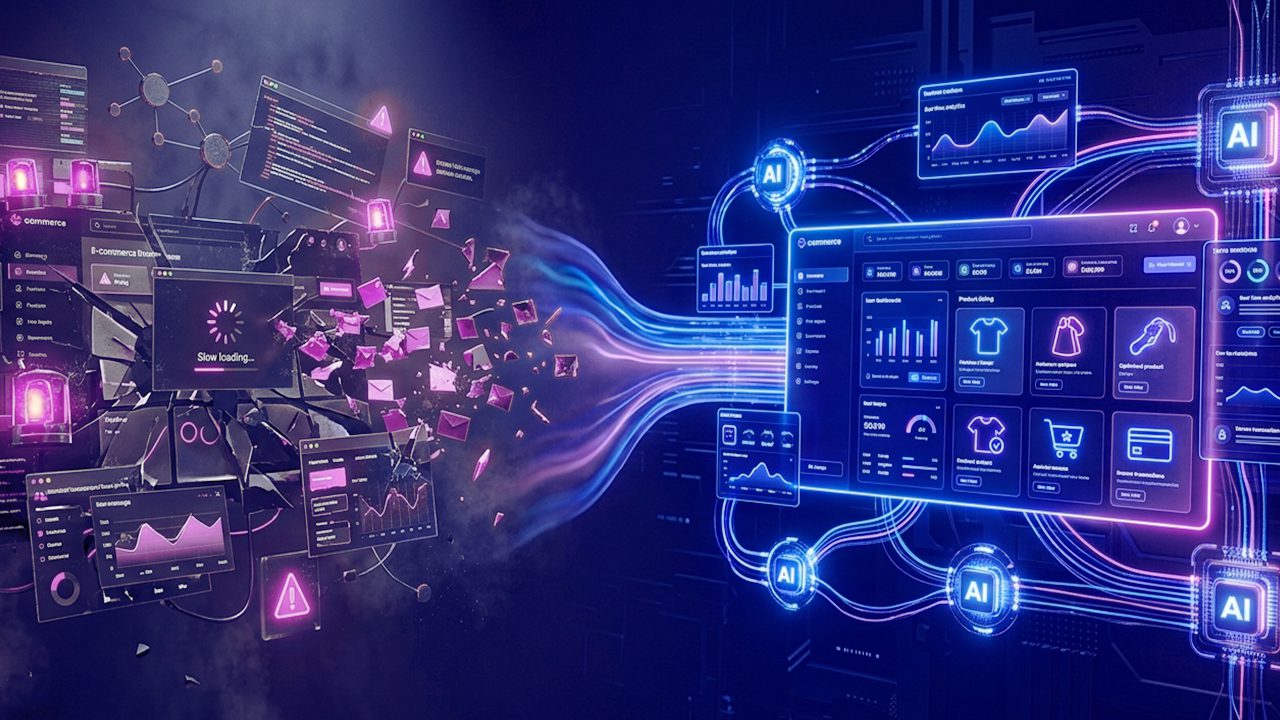
People today have a lot of choices. If a website is slow or confusing at the same time, shoppers will leave without any second thought. AI assistants are here to help people get through these difficulties. 

Here are the most important reasons that are giving these assistants the spotlight: 

  1. Better Personalization:  AI assistants do not just suggest general “you might also like” items but can provide personal recommendations according to one’s past activities, preferences, and current situation (time, location, device). 
  2. Faster Decision Making: Shopping usually means comparing lots of items. AI can quickly do the chore of narrowing choices and presenting their pros and cons, so consumers do not get overwhelmed.
  3. 24/7 Support: AI service is not limited as human service is. If a customer has a question at midnight or is from a different country, the assistant is always there to help.  
  4. Cost Savings for Businesses: AI can take over various customer service tasks (like giving answers to frequently asked questions, tracking orders, and handling returns) which effectively cuts down on the human team’s workload, especially in peak periods.
  5. Improved Conversion & Engagement: People will be more willing to buy if they feel the retailer has a good understanding of their needs and if they can quickly find what they want. AI assistants also work like magnets for keeping users on a site for longer periods. 
  6. Scalability and Learning: AI systems never stop learning. They learn more and more from the data provided. More interactions lead to even better recommendations. Also, AI can serve multiple users at the same time, which is its strength—it’s simply scalable. 

Market & Usage Trends (with Stats) 

Let’s look at some recent numbers and trends to get the picture of how huge this trend is becoming:

  1. The global AI shopping assistant market had an estimated value of around USD 3.36 billion in 2024 and is set to grow to USD 28.54 billion in the year 2033 with a CAGR of ~26.9%.
  2. In the larger category of AI-enabled ecommerce, the market is anticipated to be worth USD 8.65 billion by 2025. 
  3. 43% of U.S adults are aware of AI shopping assistants, but only 14% had experience with it so far. 
  4. By generation, the use is: 24% of Gen Z respondents have tested AI shopping assistants, while the figure is just 7% for Baby Boomers.
  5. A study pointed out that 70% of shoppers have experimented with AI tools, yet retailer AI assistants are only used by under 15%. 
  6. There’s one main reason: trust. 41% of respondents declared they have zero trust in AI shopping assistants. 
  7. In online sales during the 2024 holiday season, AI and chatbots together contributed about 4% year-over-year growth in the U.S. market.
  8. Amazon is counting on its AI shopping assistant Rufus to bring in more than USD 700 million in profit in 2025, according to the company’s estimation.

The numbers indicate that, although rapidly developing, the technology is still in the early stages of acceptance, and trust is a big hurdle.

Benefits & Use Cases of AI Shopping Assistants (in More Detail)

Let’s explore the practical benefits of AI shopping assistants.

For Users / Shoppers

  1. Guided Search: Instead of filtering through dozens of options, you can just ask, “I want a red cotton shirt under ₹2,000”.
  2. Comparison Help: The assistant can compare two or more products and show their pros and cons.
  3. Impulse Handling: If you are not sure, the assistant can push you with discounts or reminders.
  4. Order Tracking & Support: You can check your order status or get a return started through the assistant.
  5. Personalized Offers: It can suggest deals that would interest you based on your activities.

For Businesses / Retailers

  1. Reduced Support Load: AI can deal with frequent customer questions, such as “when will my package arrive?” or “what is your return policy?”.
  2. Higher Conversions: Promptly assisting the user leads to a decrease in bounce rates and an increase in sales.
  3. Better Engagement: If customers drop off during the shopping process, the assistant can suggest relevant items and bring them back.
  4. Data Insights: Retailers can understand what questions customers ask, which stage they are at in the buying process, hence they can tailor their services accordingly.

How to Build or Use an AI Shopping Assistant

If you are a retailer or developer who is planning to implement an AI shopping assistant, take the guidance from below-mentioned roadmap:

  1. Set Clear Goals: Decide what tasks the assistant should handle (product recommendation, support, returns). Do not attempt to cover everything at once.
  2. Select the Right Technology / Partner: Use either open or commercial AI models that are capable of natural language understanding and can smoothly connect with your backend systems.
  3. Use Good Quality Data: The assistant will make great suggestions if it has good product catalog data, reviews, inventory data, and user logs.
  4. Go for Small & Repeat: Launch a minimal viable assistant, collect user feedback, and improve versions.
  5. Ensure Transparency: Inform users when they are interacting with AI, share what data you are using, and give them the option to opt out. 
  6. Human Backup: In case the AI fails to deal with a request, direct the question to a human agent.
  7. Continuous Learning & Monitoring: Monitor metrics like task success rate, user satisfaction, conversion lift, error rate. Regularly retrain the model.
  8. Focus on UX / Conversational Design: The user’s perception of trust is greatly influenced by tone, prompts, clarity, and conversation flow.

Wrapping Up 

AI shopping assistants make online shopping easier, faster, and more personal. They help customers find what they need and boost sales for businesses. As technology grows, these assistants will only get smarter and more reliable.

If you want to implement AI in your ecommerce store, partner with expert AI &Ecommerce Solutions partners like Klizer. Our advanced AI solutions can help you grow. 

Picture of Neha Kadam

Neha Kadam

Neha is a content writer at Klizer, where she has expertise in technical content with a strong interest in marketing. As a member of our marketing team, she crafts engaging content for our website and social media platforms. Her skills enable her to effectively connect with readers across various channels, creating content that engages audiences and enhances brand visibility.

Get Expert Advice

At Klizer, we bring over 20+ years of specialized expertise in ecommerce website development and design.

© Copyright 2025 Klizer. All Rights Reserved

Scroll to Top
Webinar Popup