
The Future of Headless Commerce: Trends for 2026 & Beyond
The way people buy is changing faster than most commerce platforms can keep up with. Buyers move across websites, mobile apps, marketplaces, and sales reps in a single purchase. They expect the same accurate pricing and availability everywhere. Headless commerce has become the architecture brands lean on to keep pace, and the next few years […]
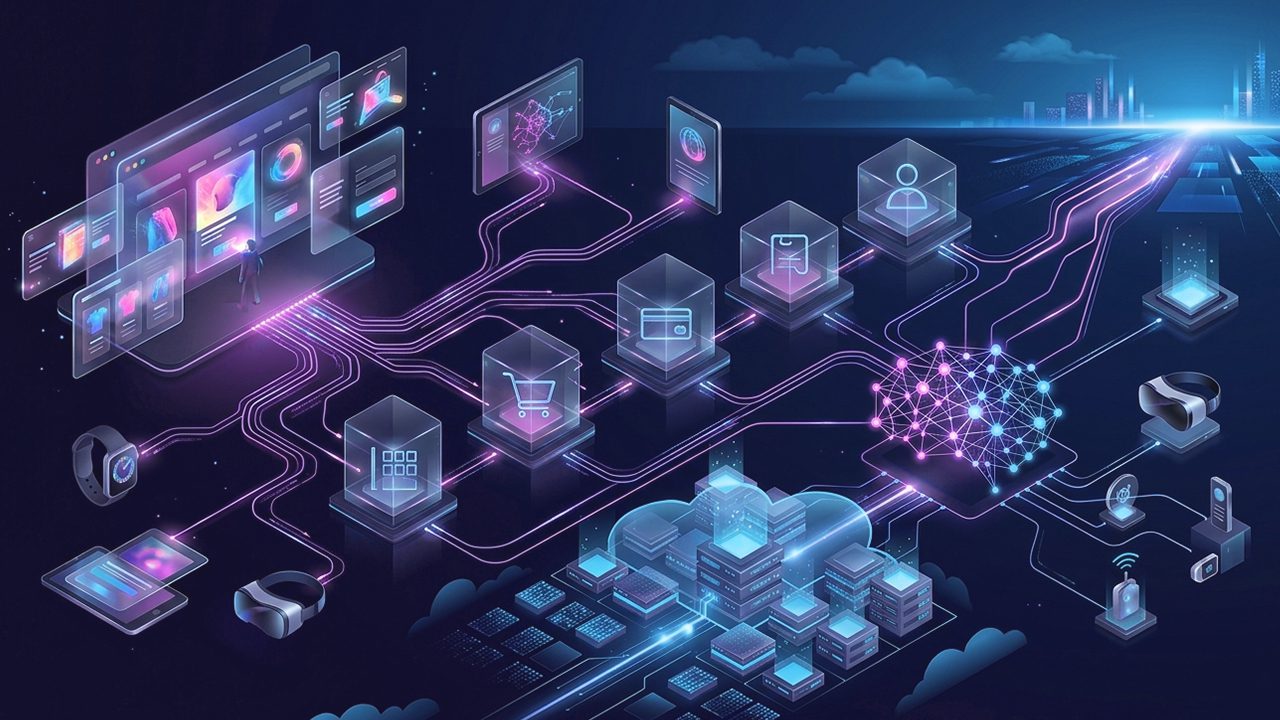
The way people buy is changing faster than most commerce platforms can keep up with. Buyers move across websites, mobile apps, marketplaces,

Most headless security effort goes into the wrong place. Teams audit the storefront, harden the CDN, and pass the pen test, and
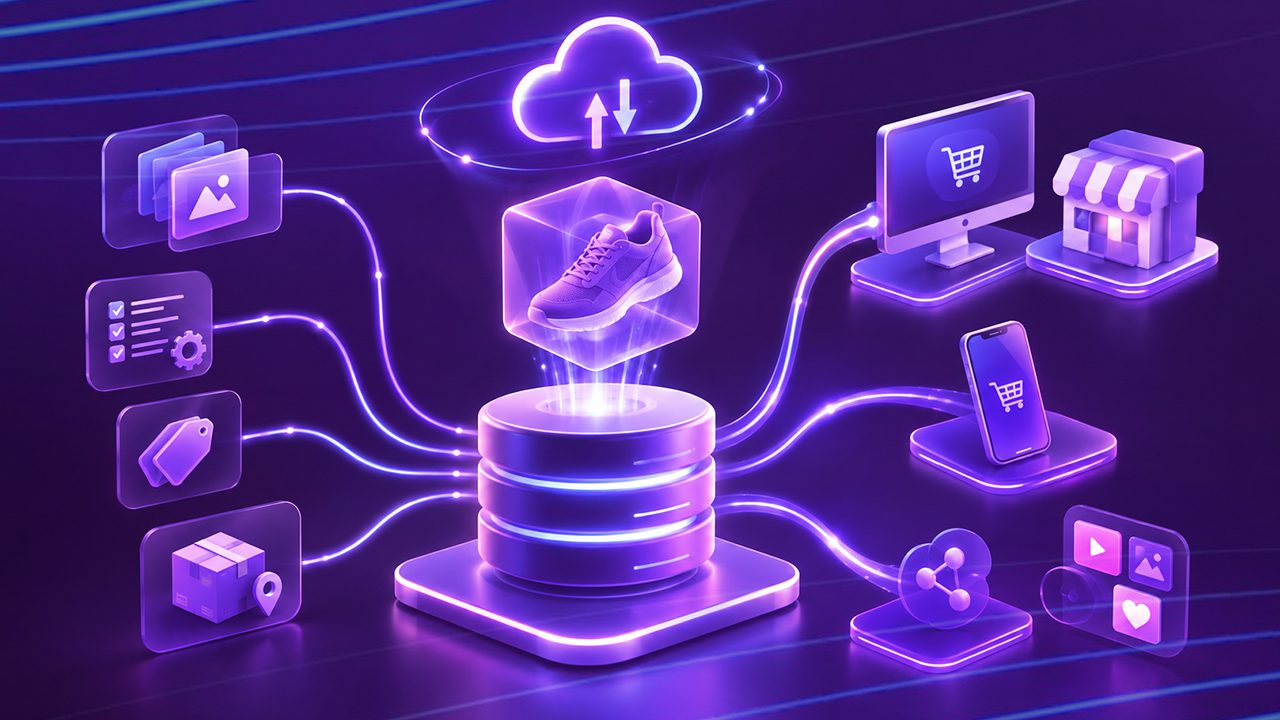
Managing product data across multiple sales channels becomes increasingly difficult as your ecommerce business grows. A product update that takes minutes on
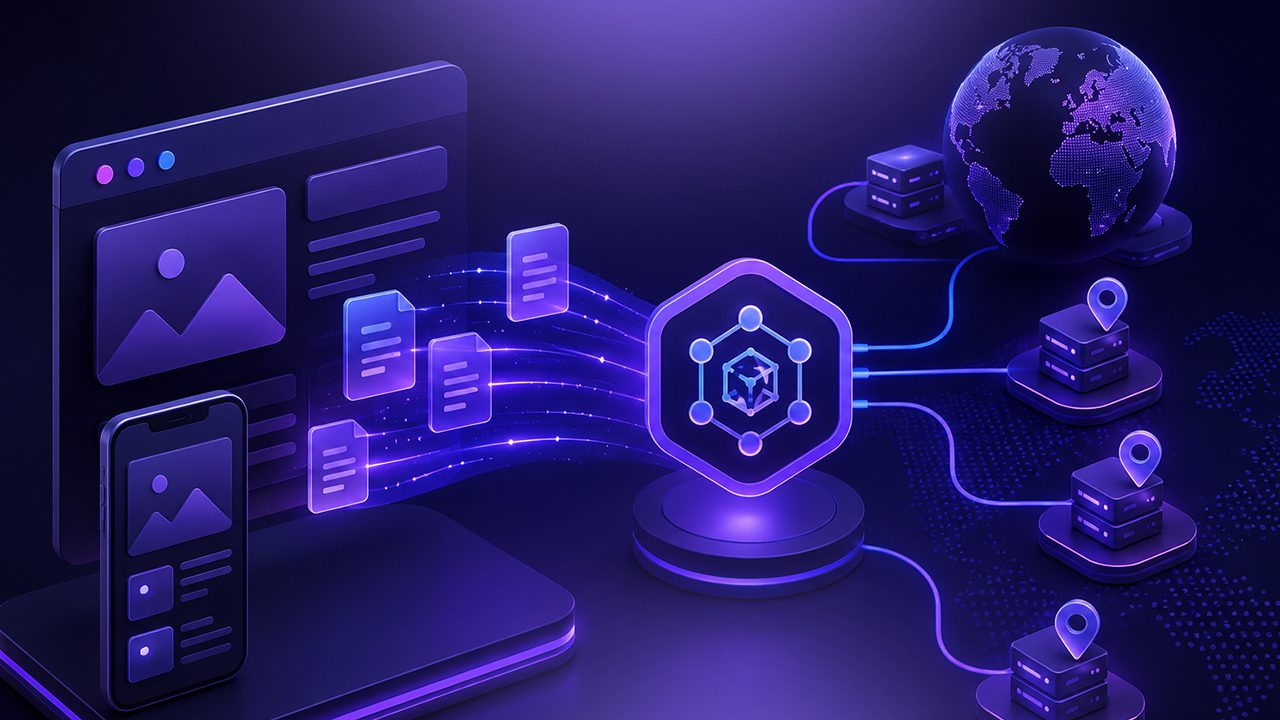
Performance is no longer a “nice to have” for digital storefronts. Shoppers expect pages to load quickly, marketers want to publish content
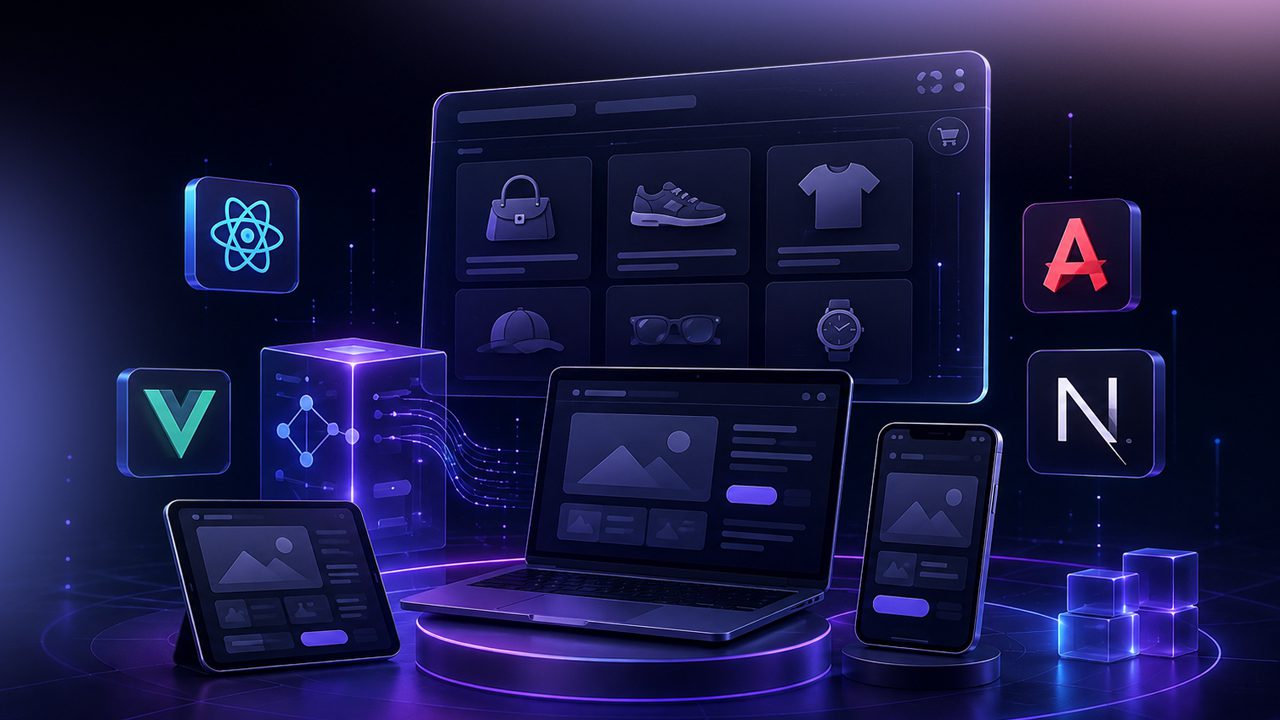
Your commerce platform is powerful. Your APIs are well designed. Your product data is clean. And yet, your storefront still feels slow.

Two things have been happening at once in B2B commerce. Headless architecture pulled the storefront away from the commerce engine, and AI
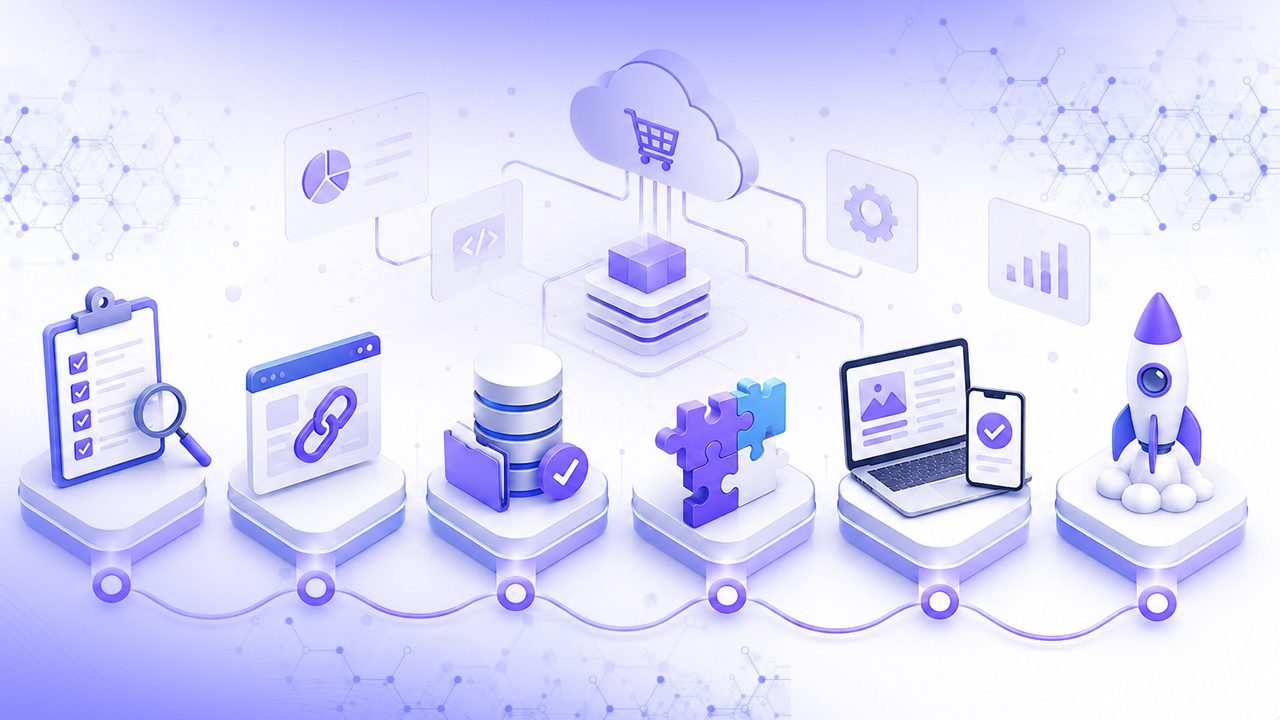
Composable commerce and rising customer expectations have transformed how businesses approach digital commerce. Shoppers no longer settle for slow websites or disconnected
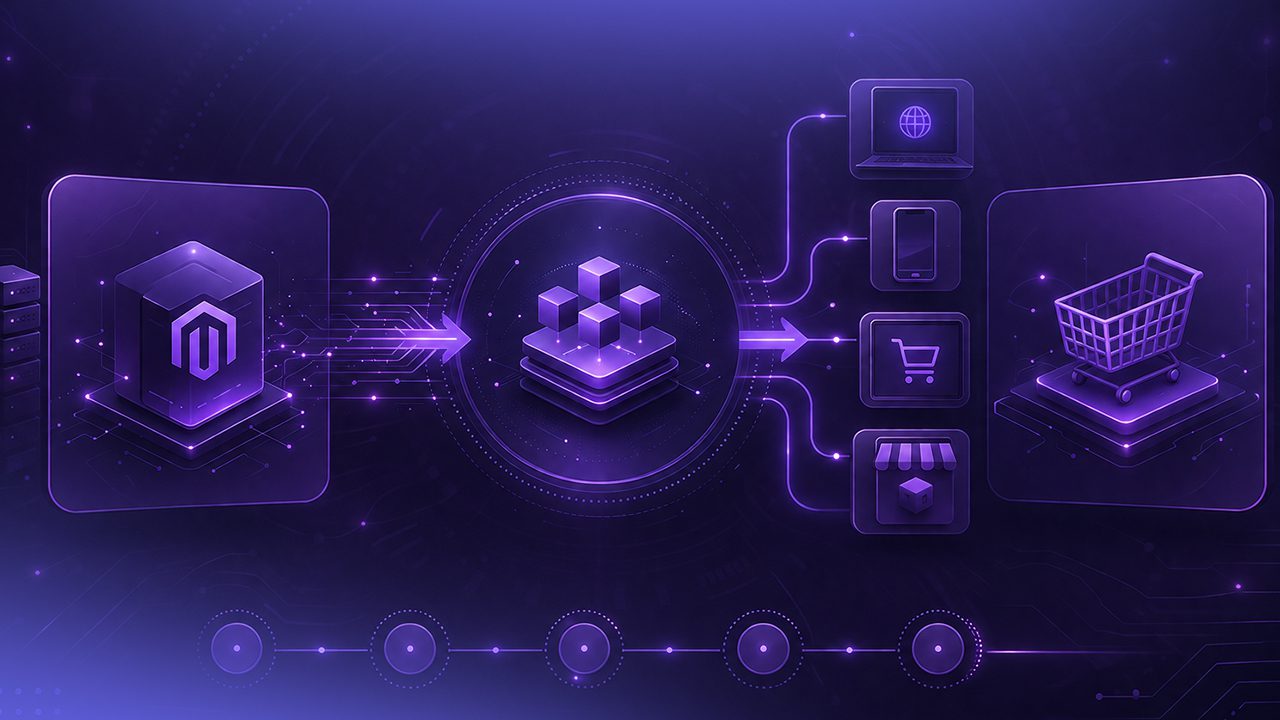
Ask three agencies what a Magento headless migration involves and at least one will tell you to export your catalog and import
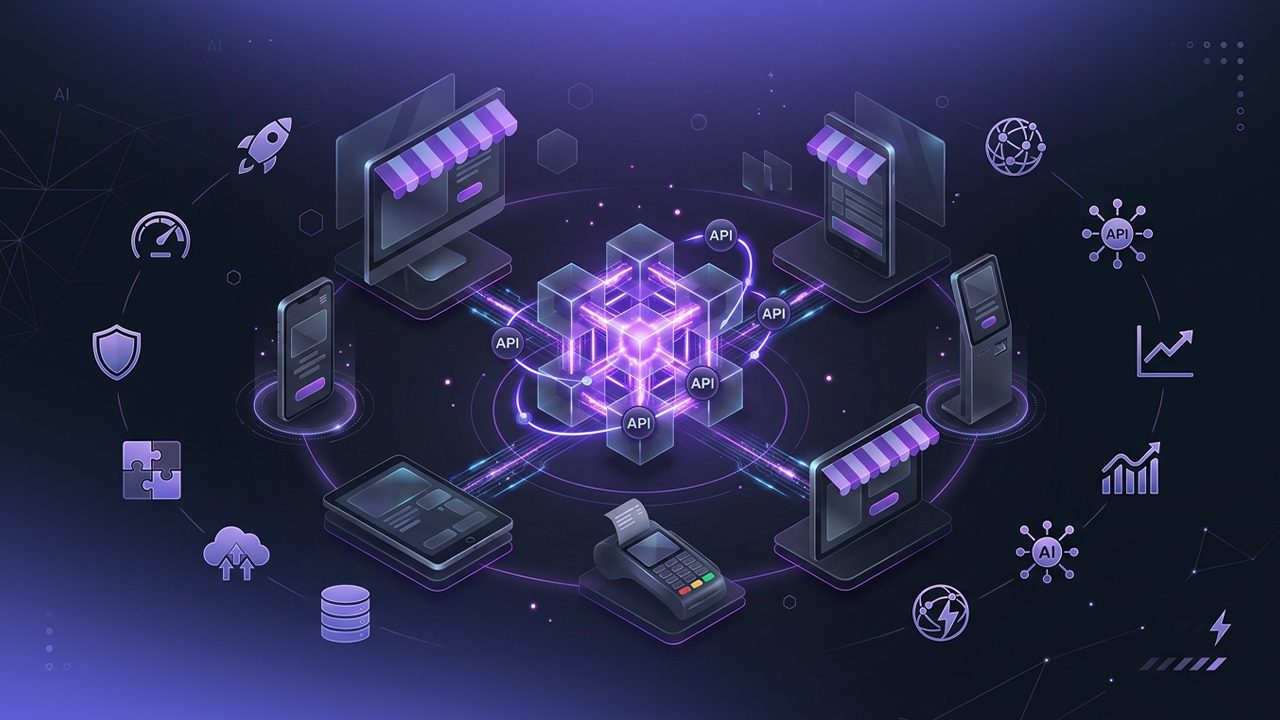
Mid-sized businesses outgrow traditional, monolithic commerce platforms because customers expect personalized shopping experiences across websites, mobile apps, marketplaces, and other digital channels.
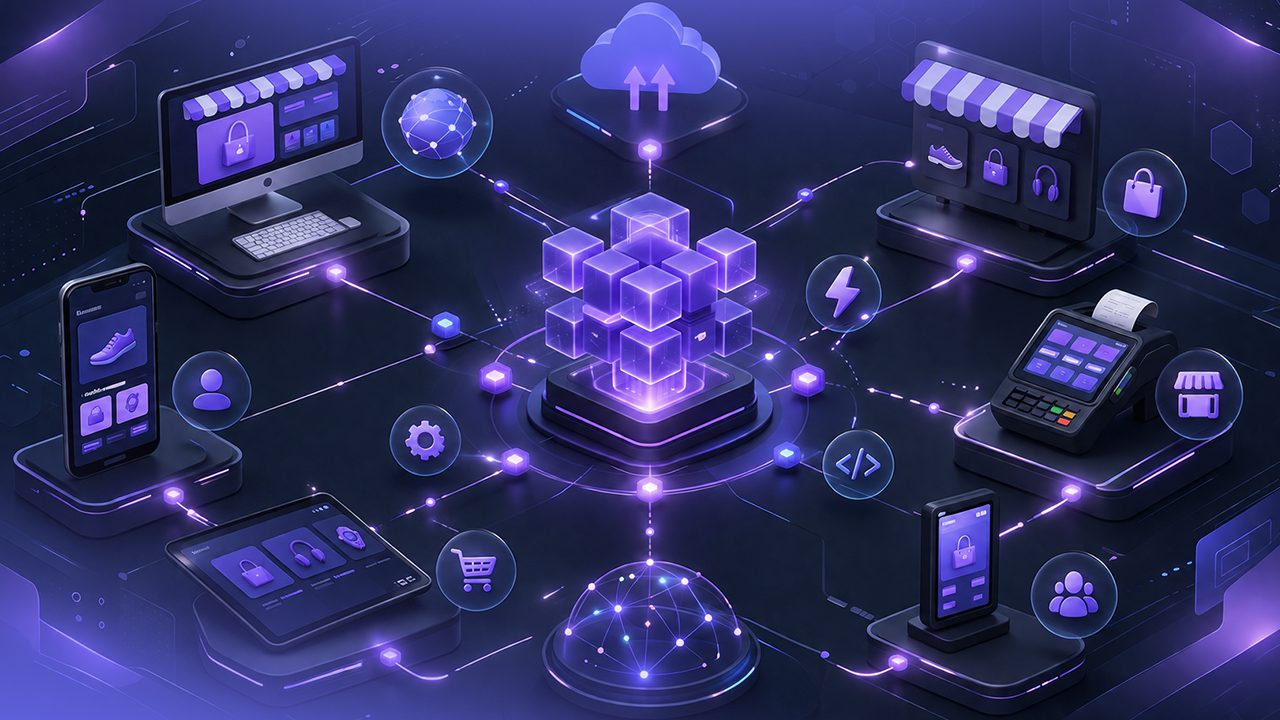
In 2026, brands are moving to headless commerce for one reason: the storefront stopped being the only place customers buy. Distributors now

There is a version of your business two years from now that is stuck on the wrong platform. The trap is easy
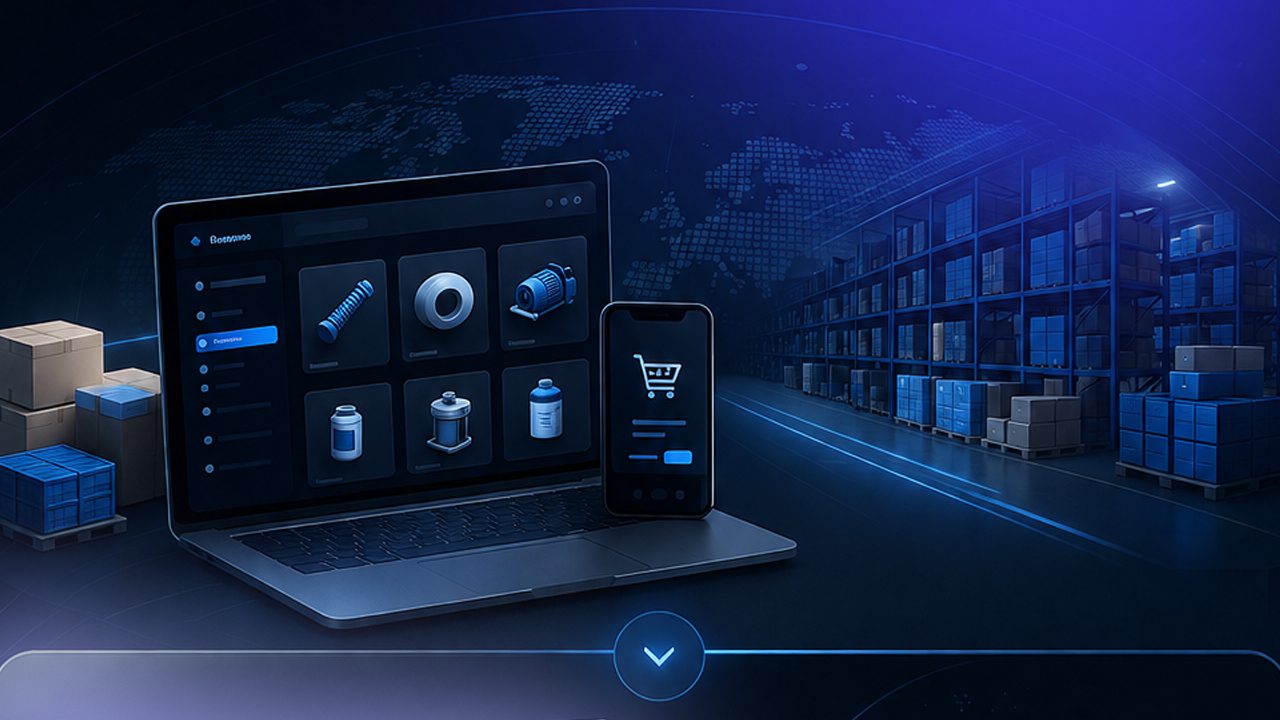
eCommerce now accounts for most of the manufacturing and distribution B2B sales, making it the fastest-growing revenue channel for wholesale distributors. Yet
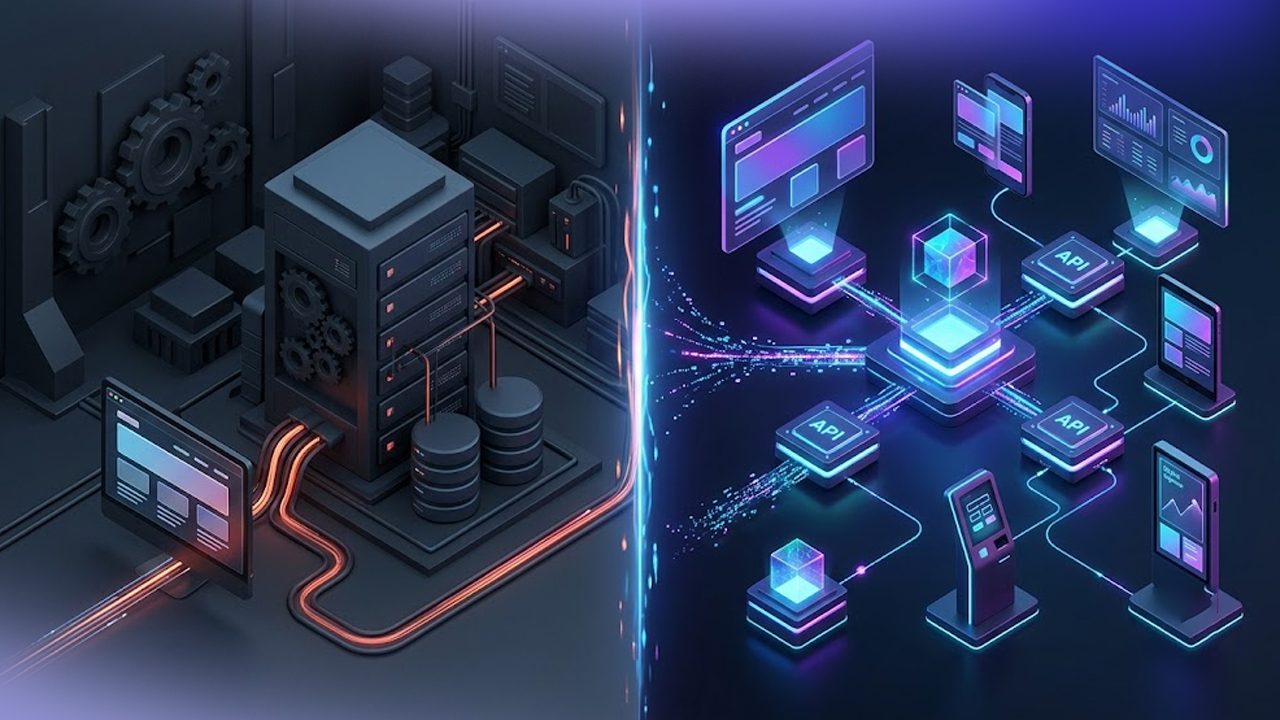
Traditional ecommerce relies on a monolithic architecture that tightly connects the frontend and backend. Headless commerce separates them while connecting them through
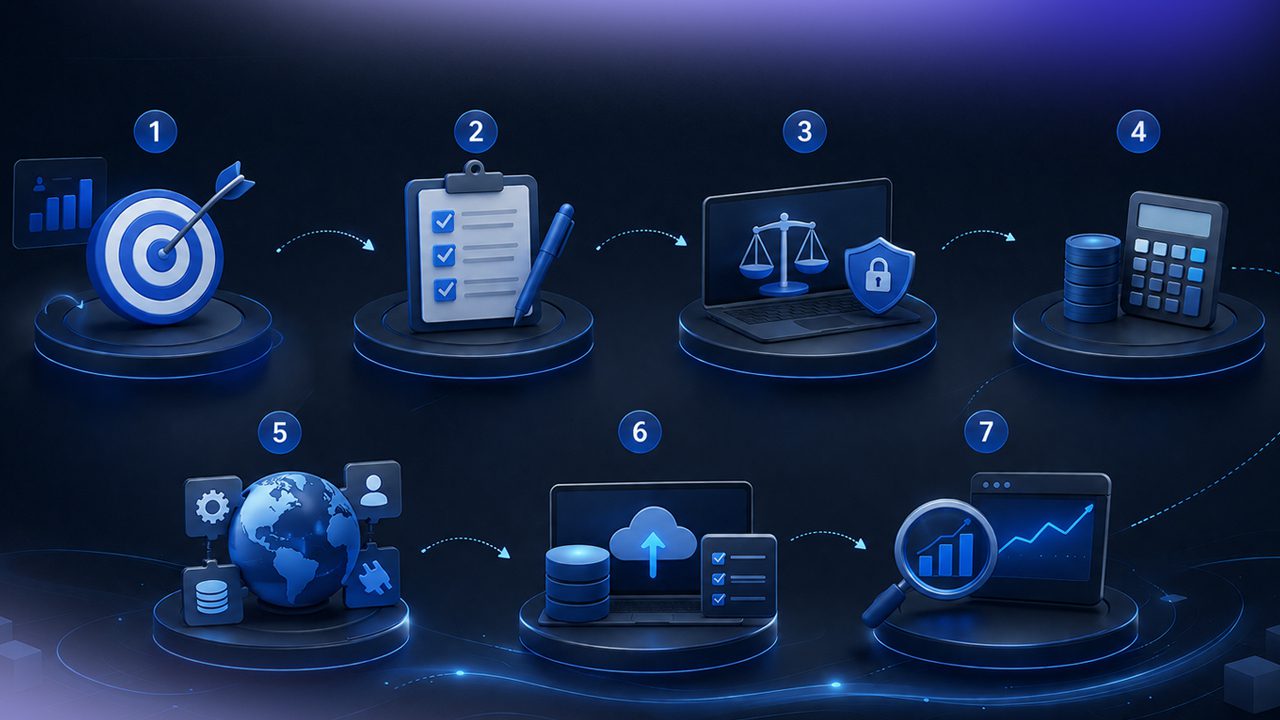
Five to seven years. That is how long the average industrial distributor’s new storefront lasts before the same story repeats. Pages slow
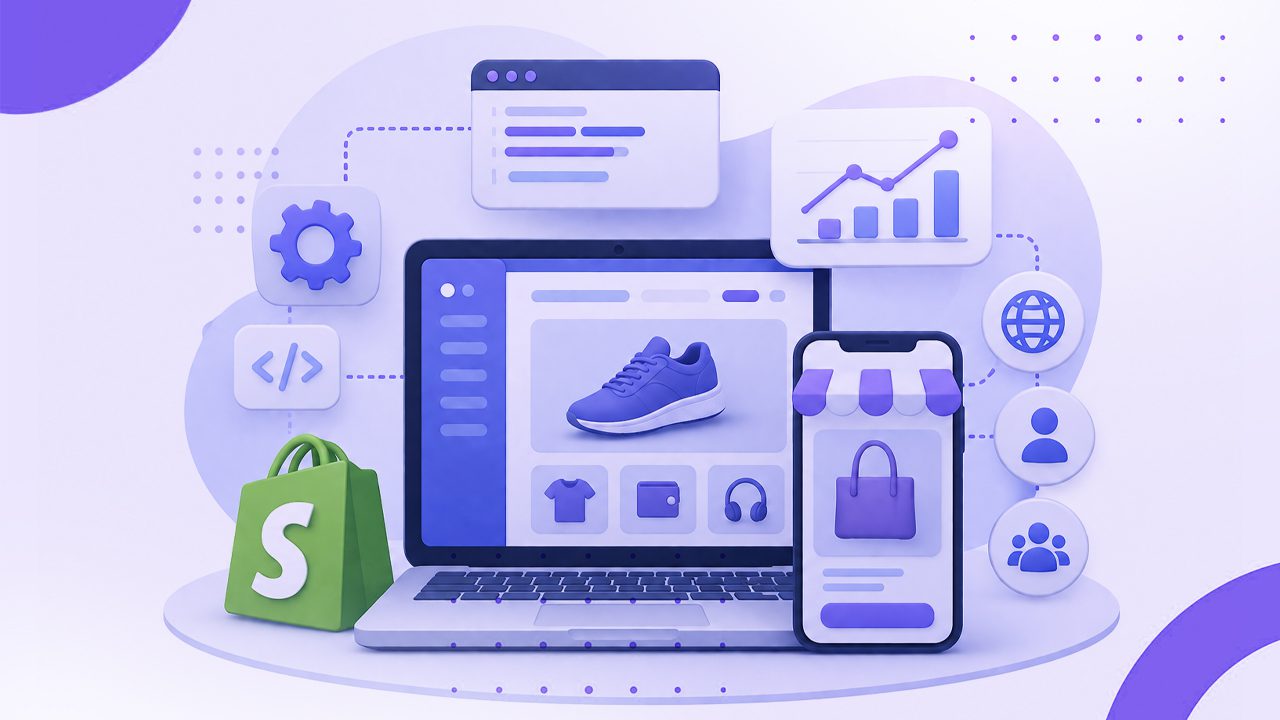
A beauty brand running on Shopify is preparing for its biggest Black Friday sale. It expects a surge in traffic, wants to
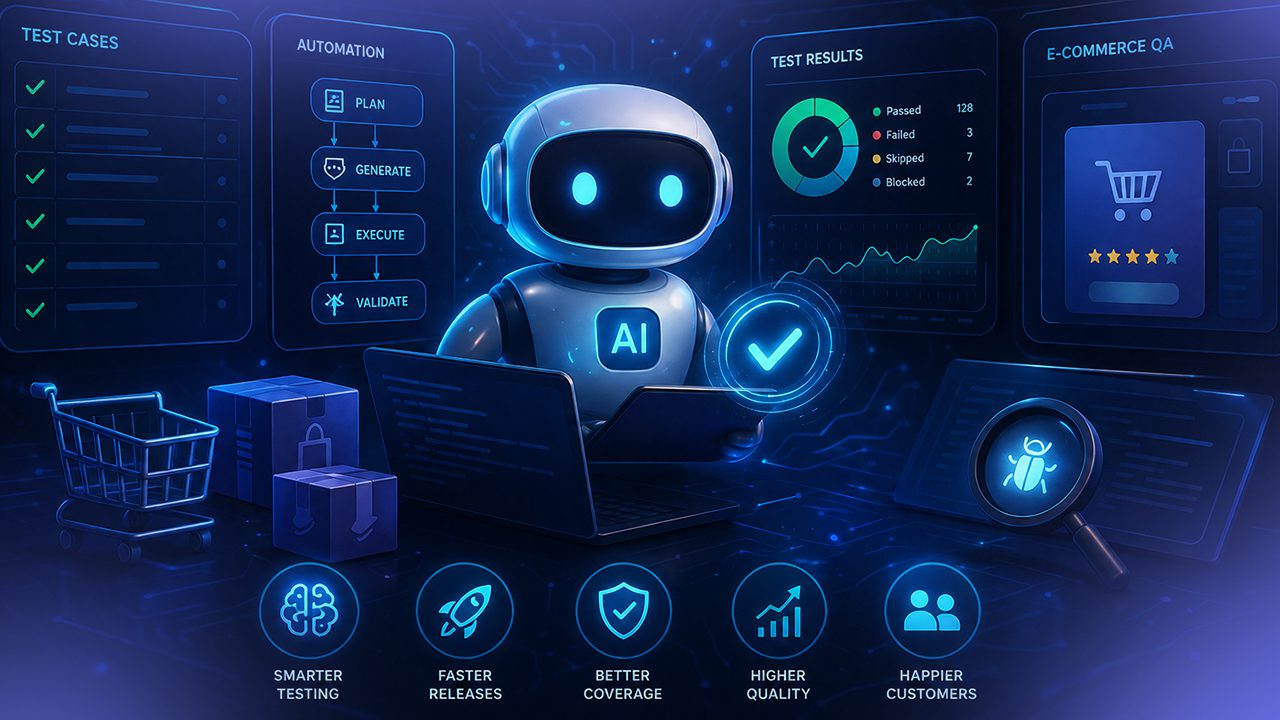
A checkout flow that breaks during peak traffic. A product filter that returns wrong results after a catalog update. A payment gateway
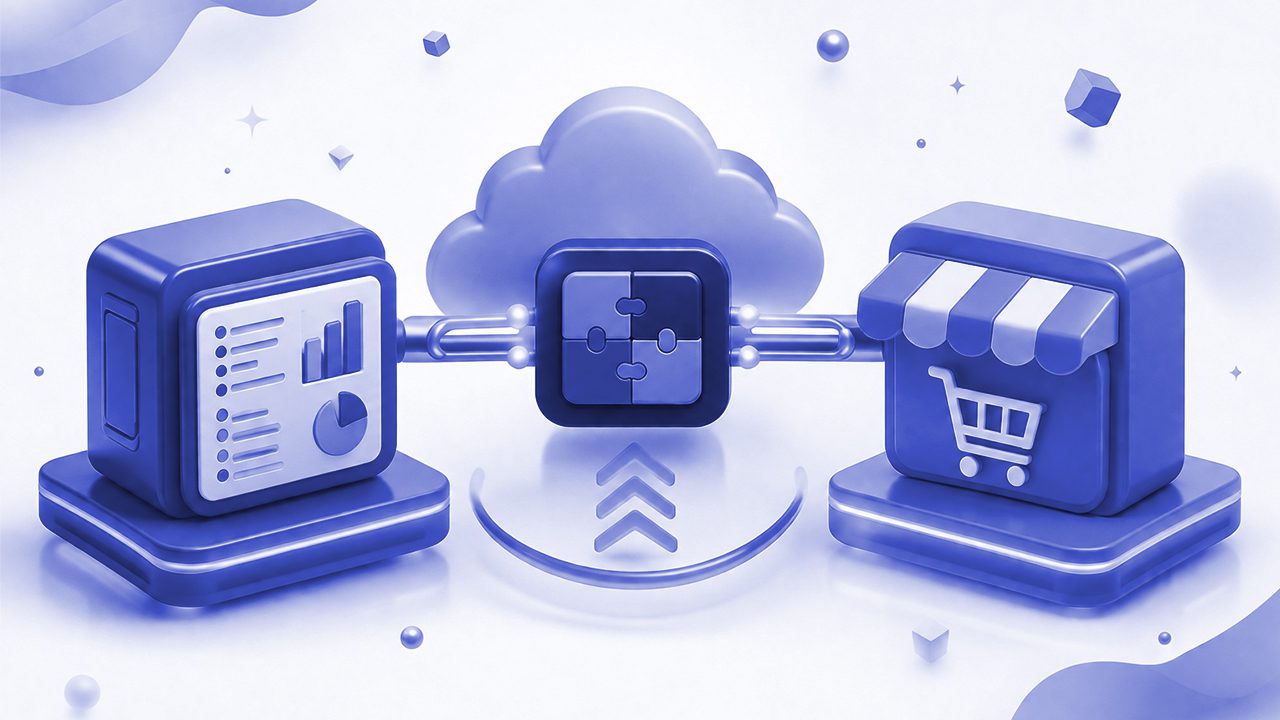
Modern B2B commerce relies on accurate product data, real-time inventory, and seamless order processing. For businesses using Adobe Commerce and Epicor Prophet
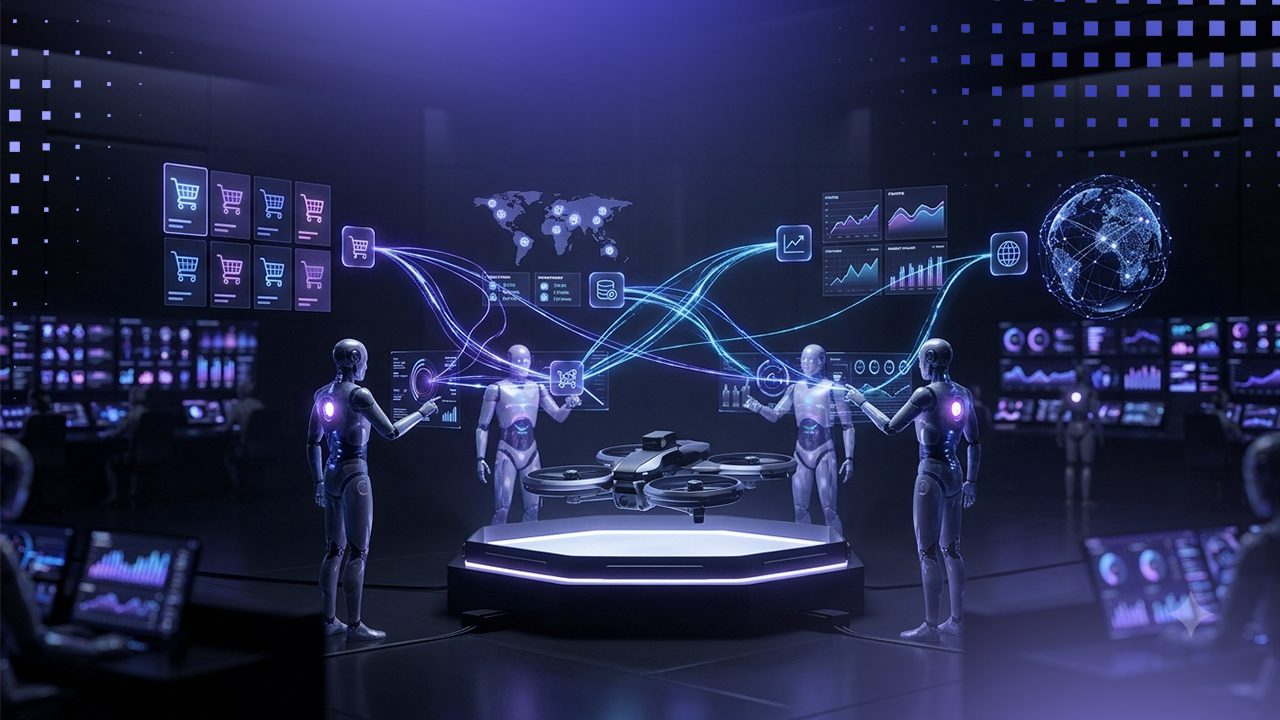
Agentic commerce is a buying model where AI agents, not humans, research products, compare options, and complete the purchase on a customer’s
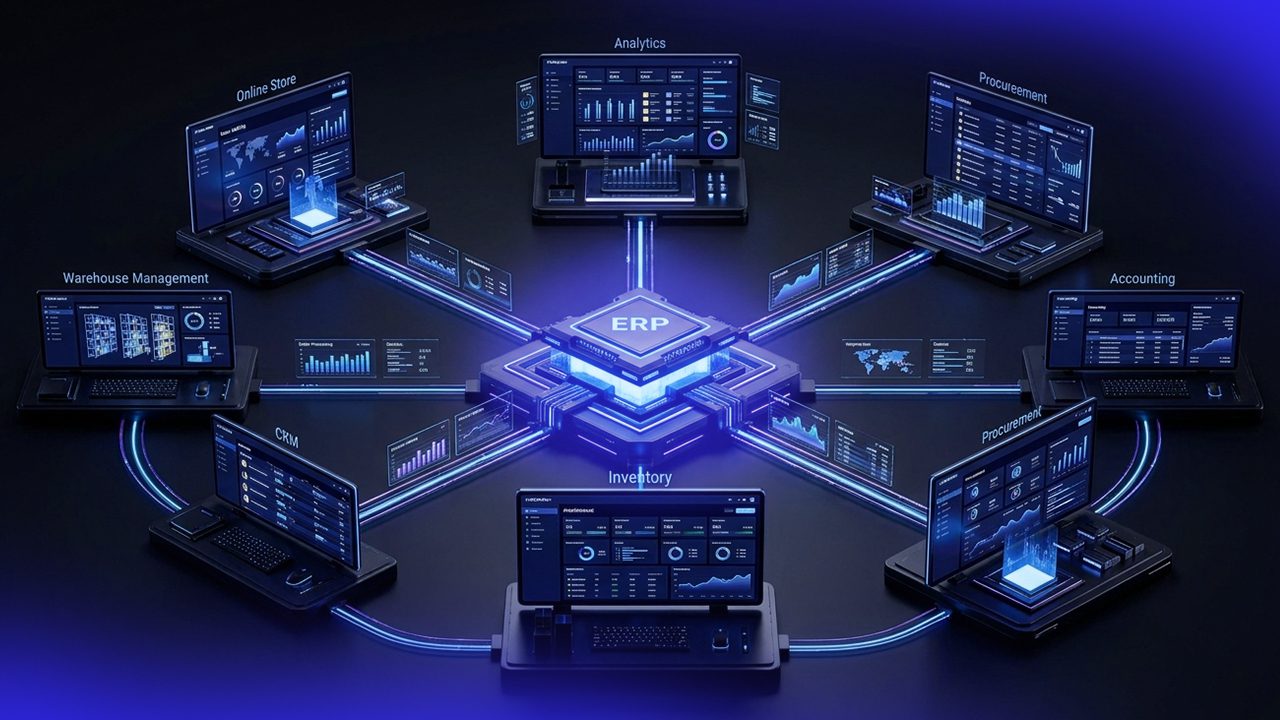
For wholesale distributors, running a storefront and an ERP as two separate systems has a predictable endpoint. Orders get re-keyed by hand.

Software testing has always evolved alongside software development practices. From manual testing to scripted automation, and from waterfall to Agile and DevOps,